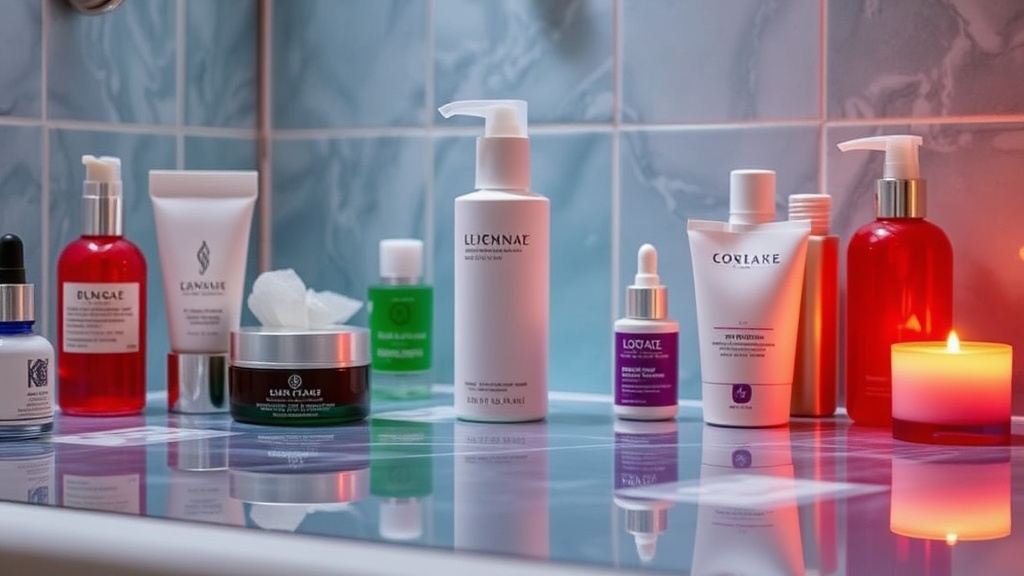
8 Beauty Products That Do the Work of Twenty — And Why Your Routine Needs Them

Here's something that might stop you mid-routine: the average makeup wearer owns 40 products but regularly uses fewer than 8. We've all been there—drawers stuffed with half-used serums, lipsticks in shades we forgot we bought, and tools that seemed revolutionary until we actually tried them. This isn't about guilt or minimalism as aesthetic. It's about strategic curation. The right multi-tasking products don't just save space—they often perform better than their single-purpose counterparts because they're formulated with intention rather than novelty.
Why Do We Keep Buying Products We Never Use?
The beauty industry thrives on newness. Limited editions, seasonal collections, and influencer recommendations create a constant stream of reasons to buy. But here's the truth most brands won't tell you: your skin doesn't need twelve steps to thrive. It needs consistency, quality, and protection. When you strip away the marketing, most "innovative" products are variations on proven ingredients packaged in prettier bottles.
The psychology runs deeper than simple advertising effectiveness. We buy products as aspirational objects—the serum that promises transformation, the lipstick that suggests a more confident version of ourselves. But transformation doesn't come from accumulation. It comes from finding what actually works and sticking with it. That $80 eye cream won't matter if you're using a harsh cleanser that strips your moisture barrier every night.
Multi-purpose products force a different kind of decision-making. When one item needs to serve multiple functions, you're naturally more selective about quality. You read ingredient lists more carefully. You consider texture and wear-time seriously. The result? Products that earn their place through performance rather than novelty. Companies like Glossier and Saie have built entire brands around this philosophy, creating hybrid formulas that blur traditional category lines.
What Makes a Tinted Moisturizer Worth the Investment?
Let's start with the ultimate time-saver: a quality tinted moisturizer with mineral SPF. This isn't your grandmother's BB cream. Modern formulations combine serious sun protection (zinc oxide at 12-20%), hydration from ingredients like squalane and glycerin, and buildable coverage that actually adapts to your skin throughout the day.
The key differentiator is finish. Drugstore versions often leave you looking greasy or, conversely, emphasize dry patches. Premium formulas strike a balance—enough slip to blend seamlessly, enough body to provide real coverage, and enough skincare benefits to justify skipping separate moisturizer and sunscreen steps. Look for options labeled "non-comedogenic" if you're prone to breakouts, and always check that the SPF is broad-spectrum.
Application technique matters more than you'd think. Warm the product between your fingers first—this helps it spread evenly and prevents that streaky application that makes people give up on tinted moisturizers. Start at the center of your face where you typically need most coverage, then press outward. The warmth of your hands helps the product melt into skin rather than sitting on top. For areas needing extra coverage, wait two minutes for the first layer to set, then add a tiny dot more exactly where needed.
Can One Cream Color Product Really Work Everywhere?
Cream color sticks have transcended their gimmicky origins. The modern versions—think Westman Atelier or RMS Beauty—contain sophisticated textures that set down without creasing on eyelids, blend seamlessly on cheeks, and feel comfortable on lips. The secret lies in the balance between emollients (for blendability) and waxes (for staying power).
Choosing the right shade amplifies versatility. Muted rose, warm peach, and dusty coral work across the most skin tones and situations. These aren't statement colors—they're the shades your skin naturally flushes when you've been walking outside or had a glass of wine. That natural quality makes them appropriate anywhere you apply them. A bright fuchsia cream stick looks wrong on eyes no matter how well-formulated. A muted berry tone looks intentional.
Texture technique varies by application site. For eyes, pat onto the lid with your ring finger and blend up toward the brow bone in soft tapping motions. For cheeks, smile slightly and tap onto the apples, then blend back toward the temple using circular motions. For lips, apply directly from the bullet for more pigment, or tap on with your finger for a stained effect. The same product delivers three completely different looks depending on application method—and that's before you start layering or mixing shades.
How Do You Know If a Cleansing Balm Is Actually Good?
The cleansing balm category has exploded, but quality varies dramatically. A truly effective balm removes waterproof mascara, sunscreen, and daily grime without requiring a separate eye makeup remover, micellar water, or second cleanse. That sounds like marketing speak until you've experienced it—rubbing a solid balm onto dry skin, watching makeup dissolve instantly, then emulsifying with water to rinse completely clean.
Ingredient quality determines performance. Look for nourishing oils (jojoba, squalane, sweet almond) as the base rather than mineral oil, which can feel heavy and doesn't offer skincare benefits. The emulsifier—the ingredient that allows oil to mix with water—is crucial. Poor emulsifiers leave a film that requires follow-up cleansing. Quality options like Farmacy's Green Clean or Then I Met You's Living Cleansing Balm rinse completely clean while leaving skin soft, not stripped.
The technique maximizes results. Apply to completely dry skin—water prevents the oils from properly binding to makeup and sunscreen. Massage for a full 60 seconds. This isn't excessive; it's necessary for the oils to break down long-wear formulas. Add lukewarm water gradually, continuing to massage as the balm turns milky. Rinse thoroughly, then pat dry. Your skin should feel clean but supple, never tight or greasy. If you're experiencing either, your balm isn't formulated properly—or you're not rinsing thoroughly enough.
Is a Single Serum Enough for Anti-Aging and Brightening?
Vitamin C serums with the right supporting cast can eliminate multiple treatment steps. A well-formulated option containing L-Ascorbic acid (15-20%), ferulic acid, and vitamin E provides antioxidant protection against environmental damage, brightens existing discoloration, and supports collagen production. That's three separate product categories—antioxidant, brightener, and anti-ager—addressed by one bottle.
The formulation science matters enormously here. Vitamin C is notoriously unstable, degrading when exposed to light and air. Look for opaque or amber glass bottles with pump dispensers rather than droppers. The addition of ferulic acid isn't just marketing—it stabilizes the vitamin C while providing its own antioxidant benefits. Vitamin E complements this synergy, creating what researchers call a "network antioxidant" effect where the ingredients protect and regenerate each other.
Application timing affects efficacy. Vitamin C works best on clean, slightly damp skin in the morning. The dampness helps with absorption, and morning application provides protection against the day's environmental stressors. Wait 90 seconds before applying moisturizer or SPF—this allows proper penetration. If you're using other actives like retinol, separate them by time of day (vitamin C AM, retinol PM) to avoid irritation and maximize benefits from both.
What Hair Products Actually Multi-Task Without Weighing Hair Down?
Leave-in conditioners have evolved far beyond simple detanglers. Modern formulations function as heat protectants (up to 450°F), frizz fighters, shine enhancers, and lightweight stylers simultaneously. The key is finding options that contain hydrolyzed proteins for strength alongside conditioning agents—without the heavy silicones that create immediate smoothness but build up over time.
Texture and hair type determine which formulas work. Fine hair needs spray or lightweight lotion textures containing ingredients like panthenol and hydrolyzed wheat protein. Coarse or curly hair benefits from creamier formulas with shea butter, coconut oil, and higher concentrations of conditioning agents. Living Proof's Restore Perfecting Spray and Olaplex's No. 6 Bond Smoother represent opposite ends of this spectrum, both delivering multi-benefit results for their respective hair types.
Application technique prevents the dreaded weighed-down look. Start with less than you think—particularly if you're new to leave-in products. For sprays, mist onto damp hair from mid-lengths to ends. For creams, emulsify between your palms first, then scrunch or smooth onto sections. Focusing on ends rather than roots prevents that greasy-root situation that makes people abandon otherwise excellent products. The goal is nourished, protected hair that still moves and has volume.
Are There Any Products That Should Never Multi-Task?
Honest assessment requires acknowledging limitations. Mascara makes terrible brow gel—the pigment concentration and brush shape create clumpy, unnatural-looking brows. Heavy full-coverage foundation can't substitute for lightweight tinted moisturizer on low-key days; the texture is simply wrong for that purpose. And please, never use hair products on your face or vice versa—the formulations target completely different skin types and concerns.
Skin type also dictates where multi-tasking works. Those with very oily skin might find that tinted moisturizers—even oil-free versions—don't provide enough mattification for their needs. Extremely dry skin types may need dedicated rich creams that no multi-purpose product can replicate. The strategy works best when you're realistic about your skin's actual needs rather than forcing a one-size-fits-all approach.
The transition strategy matters too. Don't purge your entire collection overnight. Start by identifying which products you already own that serve multiple purposes—maybe that cream blush you've been using only on cheeks works beautifully on lips too. Build from those discoveries, replacing single-purpose items with versatile alternatives only as they run out. This prevents the panic of having nothing that works while you're figuring out your new system.
How Do You Organize a Streamlined Collection?
Storage solutions change when you're working with fewer products. The goal shifts from accommodating volume to maintaining accessibility. Group products by function rather than brand or size—face base products together, color products in another zone, tools within easy reach. This prevents the "out of sight, out of mind" problem that leads to repurchasing products you already own.
Visible storage works better for smaller collections. Acrylic organizers, open trays, or even attractive dishes keep products accessible and remind you what you actually have. The exception is anything containing active ingredients like vitamin C or retinol—these need dark, cool storage to maintain potency. For those, use opaque containers in drawers or cabinets, but keep them in consistent locations so they don't get forgotten.
Regular audits prevent gradual recluttering. Every three months, pull everything out and assess. Has anything expired? (Check that tiny jar symbol with a number—that's the months-after-opening indicator.) Are there products you haven't touched? Be honest about why. Sometimes a product is genuinely wrong for you; sometimes you just need to move it to a more visible location. Either way, keeping only what you actually use maintains the efficiency you've built.
The mental shift from accumulation to curation takes time. We've been conditioned to associate more options with better outcomes—yet research on decision fatigue consistently shows the opposite. Every unnecessary choice depletes the cognitive resources you need for decisions that actually matter. A ten-minute beauty routine isn't just convenient; it's a small daily declaration that your time and attention have value beyond your appearance.
Start with one category. Maybe it's replacing three separate face products with one quality tinted moisturizer. Maybe it's finding a cleansing balm that eliminates your multi-step evening cleanse. Small, deliberate changes build momentum. Within a few months, you'll likely find that your streamlined collection performs better than your previous overflowing setup—because every product in it earned its place through genuine usefulness rather than marketing promises.