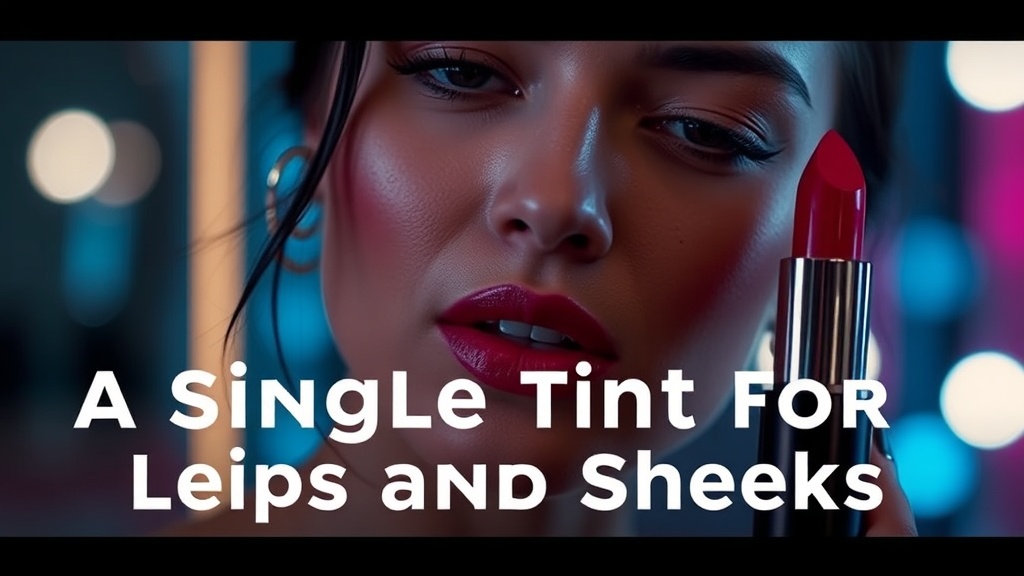
A Single Tint for Lips and Cheeks

Quick Tip
Use a cream-based tint on both lips and cheeks to create a natural, unified glow.
This post explains how to use a single lip and cheek tint to create a cohesive, minimal makeup look. You'll learn how to select the right formula for your skin type and how to apply it without looking patchy.
What is the best lip and cheek tint for dry skin?
The best tint for dry skin is a cream-based formula or a tinted lip balm that provides moisture alongside pigment. If your skin tends to flake, avoid water-based stains—they can be quite drying. Instead, look for products containing emollients like shea butter or jojal oils. Shea butter is a great ingredient to look for in these hybrid products.
I often recommend the Glossier Cloud Paint or the Rare Beauty Soft Pinch Liquid Blush. These products blend easily with your fingers, which is a huge plus when you're in a rush. (Pro tip: use your ring finger for a lighter touch on the cheeks.)
How do I apply a tint to my cheeks?
Apply the tint to the apples of your cheeks and blend outward toward your temples using a tapping motion. You shouldn't rub the product in a circular motion, as this can cause irritation and unevenness. Instead, use a "tap, tap, tap" technique to build color gradually.
- Dot: Place three small dots of the tint on the high points of your cheekbones.
- Blend: Use your fingers or a damp beauty sponge to spread the pigment.
- Check: Look in the mirror from a side profile to ensure there are no harsh lines.
It's much easier to add more color than it is to fix a blotchy mess. If you go too heavy, don't panic. Just take a bit of your leftover foundation or concealer and pat it over the area to mute the pigment.
Can I use the same product on my lips?
Yes, you can use the same tint on your lips to create a monochromatic, natural look. However, the texture might feel different on your lips than it does on your skin. If you're using a liquid blush, it's best to dab it on rather than swiping it directly to avoid a sticky sensation.
Here is a quick comparison of common tint textures:
| Texture Type | Best For | Finish |
|---|---|---|
| Cream/Balm | Dry/Dehydrated Skin | Dewy/Luminous |
| Liquid/Gel | Oily/Combination Skin | Stained/Natural |
| Powder | Long-wear/Matte Looks | Velvet/Soft-focus |
For those interested in the science of pigment absorption, Wikipedia's overview of cosmetics provides a deep dive into how different formulations interact with the skin barrier. A good tint should feel like a part of your skin, not a mask sitting on top of it.
Try experimenting with a single shade like the Benetint by Benefit Cosmetics. It's a classic for a reason—it's sheer, easy to control, and works beautifully for a "no-makeup" aesthetic. If you're looking to simplify your routine, start with one versatile shade and see how it performs across your face.