Finding Your Perfect Signature Scent with Just One Perfume

Quick Tip
Focus on how a scent reacts with your skin over several hours rather than just the initial spray.
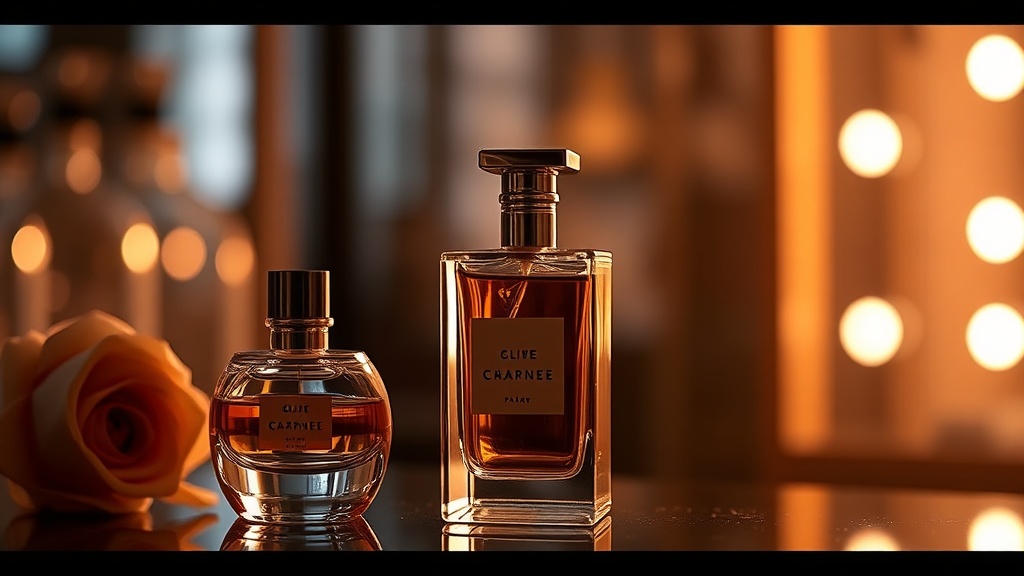
A single, heavy glass bottle sits on a marble vanity, catching the morning light. This post explores how to select one signature scent that works for every version of you. Instead of a cluttered collection of seasonal fragrances, we're focusing on finding that one reliable, high-quality scent that defines your presence.
Finding a signature scent is about more than just smelling "good." It's about consistency. When you settle on one fragrance, you create a sensory identity that lingers—a subtle, non-intrusive way to leave a mark on a room.
How Do I Choose a Signature Scent?
To choose a signature scent, you should look for a fragrance that balances your personal preferences with the versatility of your daily environments. Start by identifying your favorite scent families—perhaps you love the warmth of vanilla or the crispness of citrus—and then test how those notes react to your skin chemistry.
I recommend testing scents on your skin, not just on paper strips. A scent like Le Labo Santal 33 might smell woody and clean on a blotter, but it can turn much deeper or even sharper once it hits your natural oils. It's a science, really. You can learn more about the chemical composition of fragrances through Wikipedia's overview of fragrance chemistry.
Here is a quick way to categorize what you might look for:
- Woody/Amber: Warm, grounded, and great for evening or colder months.
- Citrus/Fresh: Bright, energetic, and perfect for daytime or high-heat environments.
- Floral: Classic, soft, and versatile for various social settings.
- Spicy: Bold and distinctive—ideal if you want to be noticed.
What Is the Difference Between Eau de Parfum and Eau de Toilette?
The main difference lies in the concentration of perfume oils, which dictates how long the scent lasts on your skin. Eau de Parfum (EDP) contains a higher concentration of oils and lasts longer, while Eau de Toilette (EDT) is lighter and more transient.
If you are aiming for a minimalist lifestyle, an Eau de Parfum is usually the better investment. It stays with you through a full workday without needing frequent reapplication. Think of it like your skincare; a high-quality serum stays active longer than a light mist. Much like building a capsule skincare routine, a single, potent EDP saves you from carrying multiple bottles around.
| Type | Oil Concentration | Longevity |
|---|---|---|
| Eau de Cologne | 2% - 4% | Very Short |
| Eau de Toilette | 5% - 15% | 3 - 5 Hours |
| Eau de Parfum | 15% - 20% | 5 - 8 Hours |
How Can I Make My Perfume Last Longer?
You can make your perfume last longer by applying it to moisture-rich areas of the body, such as pulse points. Applying fragrance to hydrated skin ensures the oils have something to "grip" onto.
Try applying an unscented lotion to your wrists and neck before spraying. This creates a base layer that prevents the alcohol from evaporating too quickly. Also, avoid the temptation to rub your wrists together after application—it actually breaks down the molecular structure of the top notes (a common mistake that ruins the scent profile).
If you want a scent that feels like a second skin, look for something that complements your natural scent rather than masking it. It's about subtlety. A signature scent shouldn't announce your arrival from across the street; it should be a quiet discovery for those standing near you.