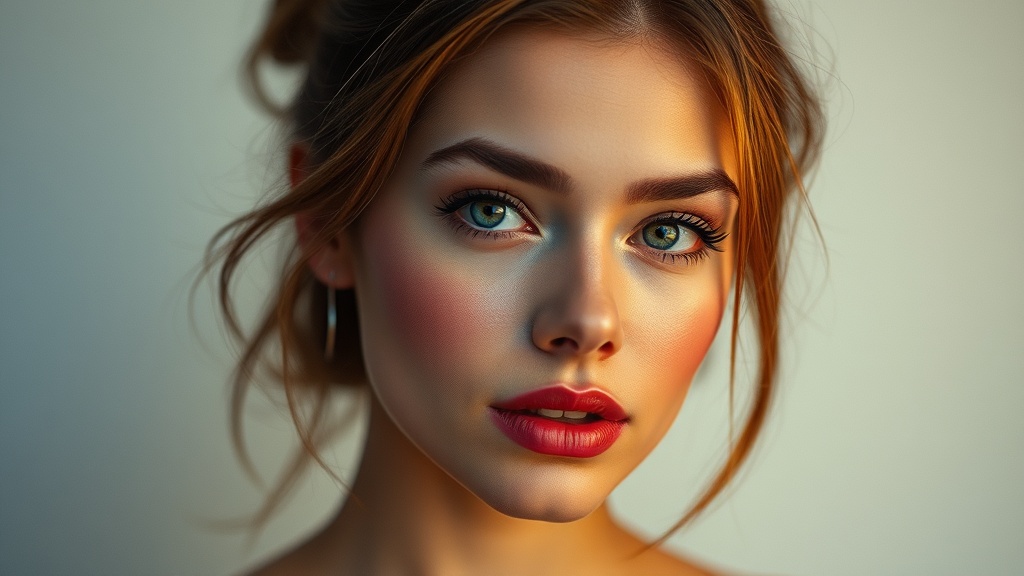
How to Curate a Five-Product Face That Actually Works

What Does a Minimal Makeup Routine Really Look Like in Practice?
You open your bathroom drawer and fifteen lipsticks stare back at you. Three are nearly identical nudes. Two are bold reds you bought for "special occasions" that never came. The rest sit there, guilty reminders of impulse purchases and expired promises. This is the reality for most people who claim they want a simpler beauty routine—they're drowning in options but still reaching for the same four products every morning. A true minimal makeup approach isn't about deprivation or forcing yourself into some aesthetic ideal. It's about intentionality. It's about knowing exactly what your skin needs, what features you want to enhance, and which products earn their place in your limited real estate. When done right, a five-product face takes less than five minutes, travels light, and somehow looks more polished than the fourteen-step routines you used to attempt.
Which Products Actually Deserve a Spot in Your Capsule Collection?
The answer isn't universal—anyone telling you there's one "perfect" minimal kit is selling something. Your five products depend on your skin type, your concerns, and what makes you feel like yourself. But there are principles that guide smart selection. Start with your non-negotiable: what one step makes you feel put-together? For some, it's defined brows. For others, it's even skin tone or a wash of color on the lips. That's your anchor product—the one you spend the most on, the one you research thoroughly, the one that never lets you down.
Next, think about multi-tasking potential. A cream bronzer that warms up your complexion can also define your eyes and add depth to your lips. A tinted lip balm with a hint of pigment works for cheeks in a pinch. The goal isn't to force every product to do triple duty—that's how you end up with orange eyelids and muddy lips. Rather, it's about choosing formulas that play well across different features when you need them to. Byrdie's guide to minimal makeup offers excellent visual examples of how multi-use products can work together without looking monochromatic or flat.
Your base product choice matters more in a minimal routine than in a full-coverage one because there's nowhere to hide. A sheer skin tint won't camouflage texture or discoloration completely, so your skincare needs to be consistent. That said, don't fall into the trap of thinking minimal makeup requires perfect skin. It requires products that enhance what you have rather than masking it. Look for formulas with skincare benefits—hyaluronic acid, niacinamide, SPF—so your makeup is working double time while you wear it.
How Do You Apply a Full Face with Just Five Products?
Technique changes when you're working with less. You can't rely on contour to reshape your face or full-coverage concealer to erase evidence of a sleepless night. Instead, you learn to work with your natural structure. Apply your base with fingers—the warmth helps product melt into skin and gives a more skin-like finish than brushes or sponges. Tap, don't swipe. Build coverage only where you need it.
For color products, think in terms of placement rather than specific products. A cream blush applied high on the cheekbones and across the bridge of the nose creates a sun-kissed, unified look that reads as fresh rather than made-up. The same product dabbed on the center of the eyelid and smudged with a finger adds dimension without a separate shadow. Vogue's breakdown of minimal makeup techniques emphasizes this strategic placement approach—using fewer products but applying them with more intention.
Brows frame everything. Even the most minimal face looks unfinished without some definition in the brow area. But you don't need a pomade, a pencil, a gel, and a powder. Choose one product with the right texture for your brow type—waxy pencils for sparse brows, tinted gels for full brows that need direction, pomades for dramatic definition—and learn to use it quickly. Small, hair-like strokes in the direction of growth. Brush through with a spoolie. Done in thirty seconds.
What About Days When Five Products Doesn't Feel Like Enough?
There will be days. Events where you want to feel more transformed. Occasions where photography is involved and you worry about flashback or shine. The beauty of having a solid minimal routine is that it becomes your foundation—you add, you don't replace. A five-product face becomes a seven-product face for your friend's wedding. You keep your skin tint, your cream blush, your brow product. You add a concealer for extra coverage, a powder for longevity, maybe a liquid liner if you're feeling dramatic.
But you always know you can strip back. That confidence—that you look like yourself, just enhanced—is what minimal makeup offers. You're not hiding behind a mask of products. You're presenting a version of yourself that feels honest but intentional. Into The Gloss has documented how makeup artists approach this philosophy for red carpet and editorial work alike—starting with skin, adding only what's necessary, stopping before the "more" impulse takes over.
How Do You Maintain This Approach Without Getting Bored?
The fear of boredom kills more minimal routines than anything else. Humans crave novelty. The solution isn't buying more—it's learning to use what you have differently. That cream blush you've been wearing on cheeks? Try it as a lip tint under clear balm. Use it as a base for powder eyeshadow to intensify the color. Apply it before your skin tint for a subtle glow-from-within effect rather than sitting on top of the skin.
Seasonal adjustments keep things fresh without requiring new purchases. In summer, mix your skin tint with SPF and skip powder entirely. In winter, add a drop of face oil for extra luminosity. Focus on finish rather than color—matte one day, dewy the next, somewhere in between the day after. These small variations create completely different looks using the exact same products.
The maintenance of a minimal routine is actually where the discipline lives. It's easy to buy a curated five-product kit. It's harder to walk past the new release displays, unsubscribe from beauty influencer content that makes you feel like you're missing out, and resist the urge to "just try" the serum that promises to change everything. Your minimal makeup bag is a practice, not a destination. Some months you'll add a product that genuinely improves your routine. Other months you'll realize you haven't touched something in weeks and pass it along. The goal is mindful flexibility—not rigid minimalism for its own sake, but thoughtful curation that serves your actual life.